Routine & SafetyAdministration Protocol
Application Buffering Method for Topical Retinoids
Clinical Review Team
5 min read
Published 14 October 2026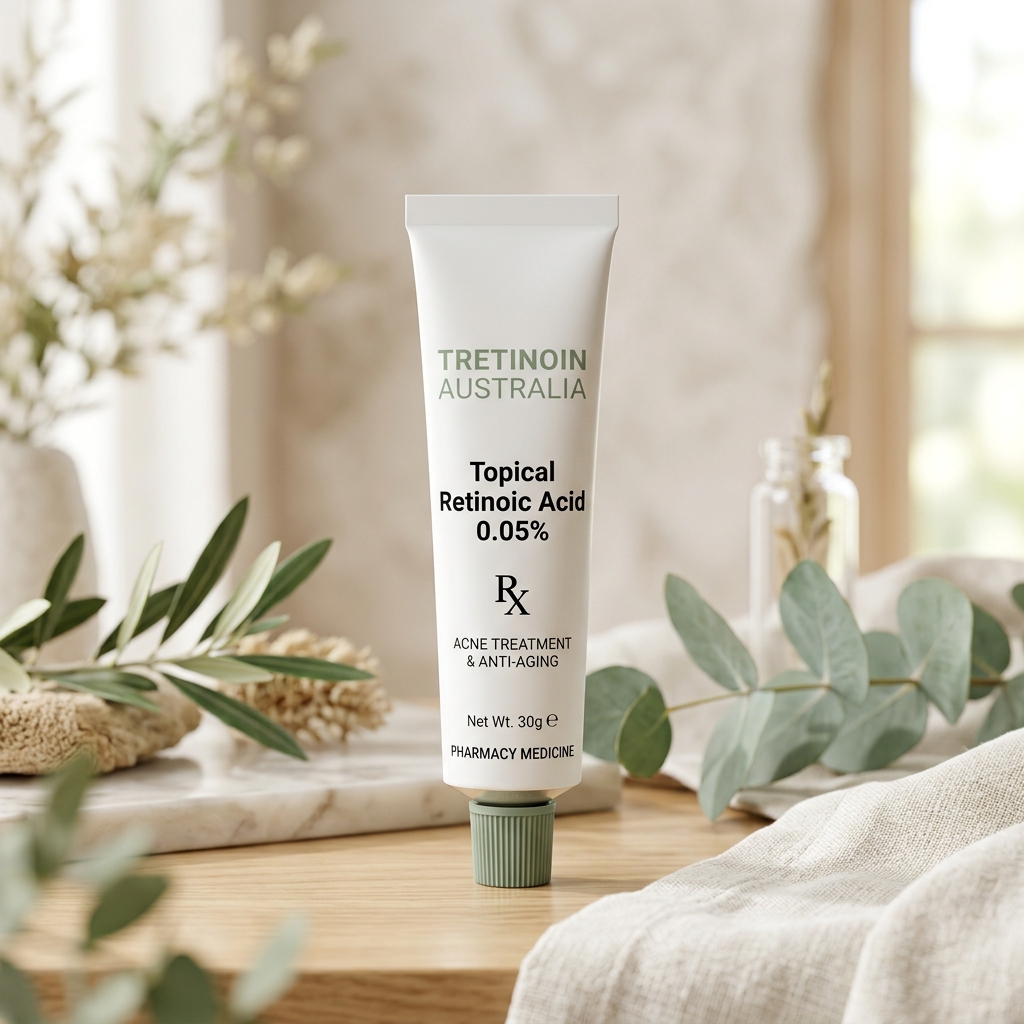
Medication Profile
Generic name:Buffering Protocol
Classification:Administration Protocol
Available strengths:Compatible with 0.025%, 0.05%, and 0.1%
Target skin profiles:New retinoid patients and sensitive skin
How to use moisturizer buffering to reduce dryness, peeling, and erythema when starting topical Tretinoin.
1. Therapeutic indications and advantages
- Moderates the initial rate of drug absorption, reducing acute receptor irritation.
- Reduces visible peeling, flaking, and skin barrier compromise.
- Helps maintain lipid barrier integrity through regular ceramide moisturizing.
- Improves patient tolerance and long-term adherence to prescribed treatment.
2. Potential side effects and retinization
- Requires waiting intervals between cleansing, buffering, and retinoid application.
- Adds an extra step to evening routines during the first 6 to 8 weeks.
3. Appropriate candidates for treatment
- Patients initiating topical Tretinoin for the first time.
- Patients who previously experienced peeling, stinging, or redness.
- Individuals living in low-humidity environments.
4. Absolute Contraindications & Safety Warnings
- Experienced patients with established skin tolerance who tolerate direct application.
5. Application protocol
Step 1: Cleanse with a mild wash. Apply a lightweight moisturizer and wait 15 minutes until dry.
Step 2: Apply a pea-sized amount of Tretinoin across the forehead, cheeks, and chin.
Step 3: Wait 5 minutes, then apply a second layer of moisturizer over top.
6. Application zones
Apply over the facial plane, keeping 1cm away from eyes, nostrils, and lips.
Clinical Practice Note
Once your skin tolerates application 3 to 4 nights weekly for 8 continuous weeks without peeling, you can transition to applying Tretinoin directly onto clean dry skin.

0.05% Cream
Tretin Tretinoin Cream 0.05% (30g)
Emollient Cream • 30g
$42.95 AUD