Pigmentation & MelasmaPharmacy Medicine (Schedule 2/3)
Azelaic Acid 20%: Mechanisms in Rosacea and Post-Acne Erythema
Clinical Review Team
6 min read
Published 16 October 2026
Medication Profile
Generic name:Azelaic Acid 20% Cream
Classification:Pharmacy Medicine (Schedule 2/3)
Available strengths:20% w/w
Target skin profiles:Rosacea, erythema, post-acne marks, melasma
How topical 20% Azelaic Acid works to reduce inflammatory lesions, suppress Cutibacterium acnes, and manage hyperpigmentation.
1. Therapeutic indications and advantages
- Selective tyrosinase inhibition targeting hyperactive melanocytes without altering normal pigment.
- Antimicrobial activity against Cutibacterium acnes without inducing bacterial resistance.
- Anti-inflammatory properties that reduce erythema in papulopustular rosacea.
- Can be applied morning and night, and does not cause photosensitivity.
2. Potential side effects and retinization
- May produce a transient itching or tingling sensation for 10 minutes following application.
- Requires consistent application for 6 to 12 weeks to observe visible improvements in erythema.
- Cream base requires thorough, gentle application to absorb evenly.
3. Appropriate candidates for treatment
- Patients with papulopustular rosacea or chronic facial flushing.
- Individuals with post-inflammatory erythema (red marks after acne).
- Patients managing melasma who require an alternative to hydroquinone.
4. Absolute Contraindications & Safety Warnings
- Individuals with known hypersensitivity to azelaic acid or benzoic acid.
- Patients with broken or weeping skin lesions.
5. Application protocol
Step 1: Cleanse with a mild wash and pat dry.
Step 2: Dispense a small amount (approximately 0.5g) onto fingertips.
Step 3: Smooth over affected areas until absorbed.
Step 4: Follow with moisturizer or sunscreen as appropriate.
6. Application zones
Application areas: Cheeks, nose, forehead, and chin.
Areas to avoid: Direct contact with eyes, lips, and open wounds.
Clinical Practice Note
The tingling sensation usually diminishes after 7 to 10 days of continuous use. Applying over a light moisturizer helps mitigate initial prickling.
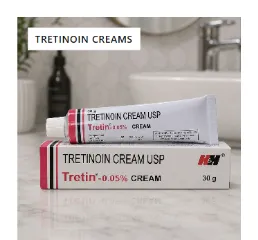
0.05% Cream
Tretin Tretinoin Cream 0.05% (30g)
Emollient Cream • 30g
$42.95 AUD